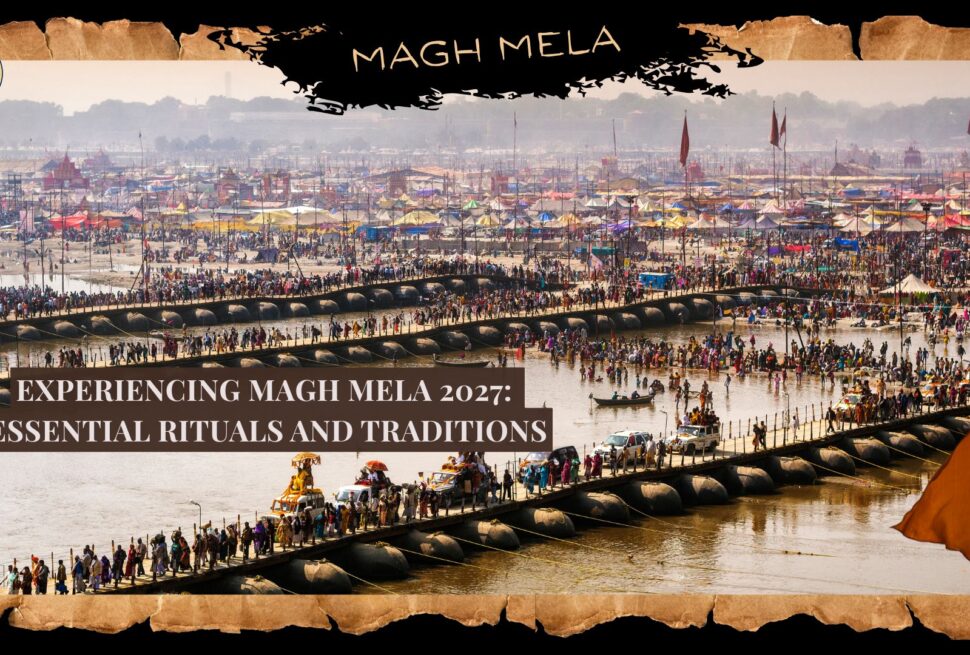
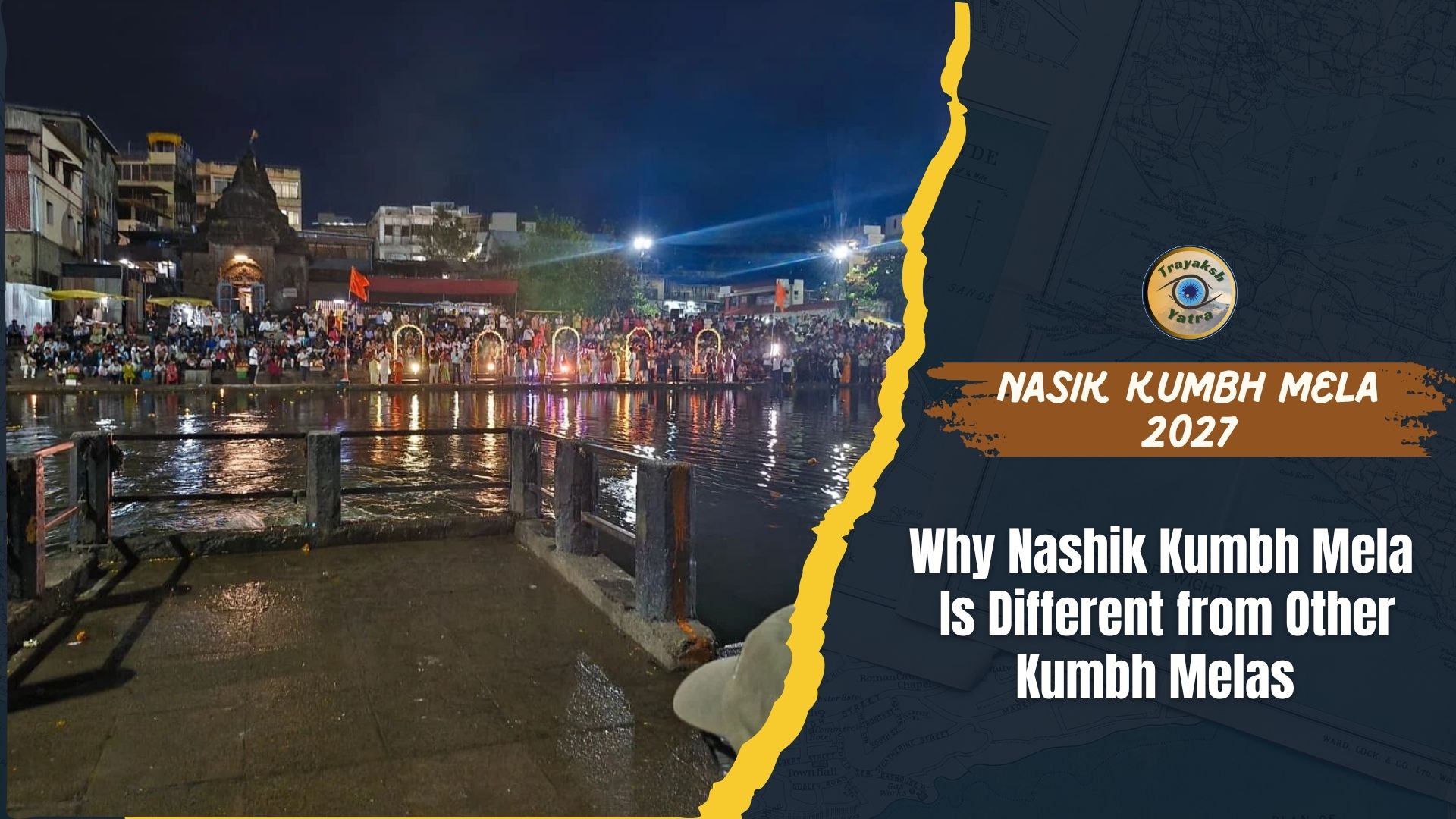
India is home to four amazing Kumbh Melas; Nashik, Haridwar, Ujjain, and Allahabad. But why does the Kumbh Mela make our hearts flutter every time? Is it the serenity or something special about Nashik’ Kumbh Mela? Let’s find out why visiting Nashik’ for Kumbh will make your trip more than just religious purposes. Jam-packed with adventure, amazing experiences, friendly locals, and scenic beauty- let’s discover what makes Kumbh Mela truly special.
The Nashik Kumbh Mela, also known as the Simhastha Kumbh Mela, is one of the most sacred religious gatherings in India. While all four Kumbh Melas held in Haridwar, Prayagraj, Nashik, and Ujjain—share the same spiritual significance, Nashik’s Kumbh Mela has its own unique traditions, mythology, and rituals that make it stand apart.
Introduction to Kumbh Mela and its significance
A festival like none other is what you’d call the Kumbh Mela. It’ an event that takes spirituality to a whole new level! Millions attend Kumbh each year to give their best prayer efforts. Each city varies based on different factors, but each year Nashik makes our list. Wondering why Nashik is so special? Find out why Nasik Kumbh Mela 2027 is one you don’t want to miss.
The history of the Nashik Kumbh Mela is rich and layered, dating back centuries. Its origins trace to ancient Hindu texts, where it is believed that the nectar of immortality was spilled during a cosmic battle between gods and demons.
Know everything about Nashik kumbh from glorious history to colourful rituals deeply rooted in tradition. Explore spirituality like never before during Kumbh in Nashik. Have a plan to discover something unique? Well, Nashik has got you covered! So, gear up to read along and discover the exciting yet glorious facets of Kumbh at Nashik.
What Is the Nashik Kumbh Mela?
Nashik Kumbh Mela is celebrated once every 12 years in the holy city of Nashik, along the sacred Godavari River. It attracts millions of devotees, saints, ascetics, and tourists from across the globe.
Unlike other Kumbh Melas, Nashik’s festival is deeply connected with the zodiac sign Leo (Simha), which is why it is also called Simhastha Kumbh.
The Mythological Significance
The origin of every Kumbh Mela is linked to the legendary Samudra Manthan (Churning of the Ocean), during which drops of the nectar of immortality (Amrit) fell at four sacred locations.
According to Hindu tradition, one of these divine drops fell in Nashik, making the city one of the holiest destinations for spiritual purification and salvation.
Why Is Nashik Kumbh Mela Different?
1. Simhastha Tradition
The biggest difference is its astrological timing.
The Nashik Kumbh Mela is organized when Jupiter enters the zodiac sign Leo (Simha). This rare planetary alignment determines the festival dates, giving it the unique title of Simhastha Kumbh Mela.
2. Sacred Bathing at Ramkund
Ramkund is considered the holiest bathing ghat in Nashik.
According to Hindu beliefs:
- Lord Rama spent part of his exile here.
- Taking a holy dip in Ramkund washes away sins.
- Many devotees also perform ancestral rituals (Pind Daan) here.
This gives Nashik Kumbh Mela a distinct spiritual identity compared to other Kumbh locations.
3. Second Sacred Bathing at Kushavarta Ghat
Kushavarta Kund (often referred to as Kushavarta Ghat) is one of the holiest sites associated with the Nashik Simhastha Kumbh Mela. Located beside the revered Trimbakeshwar Temple, it is regarded as the symbolic origin of the sacred Godavari River, making it a focal point of pilgrimage and ritual during the Kumbh Mela.
4. Connection with Lord Rama
Rama has a strong connection with Nashik.
The nearby Panchavati is believed to be the place where Lord Rama, Sita, and Lakshmana lived during their exile.
Because of this, many pilgrims combine their Kumbh visit with a Ramayana pilgrimage.
5. Dual Sacred Locations
One unique aspect of Nashik Kumbh is that important rituals are conducted at:
- Ramkund in Nashik
- Kushavarta Ghat (Kushavarta Kund) near the revered Trimbakeshwar Temple
This dual-location celebration is uncommon among the four Kumbh Melas.
6. The Source of the Godavari River
The holy Godavari River originates near Trimbak.
Often called the Ganga of South India, the Godavari holds immense religious importance, making the holy dip especially sacred for devotees from southern and western India.
7. Royal Processions of Akharas
The Shahi Snan (Royal Bath) is among the grandest spectacles of the Nashik Kumbh Mela.
During this procession:
- Saints and Naga Sadhus march in traditional processions.
- Religious flags, elephants, horses, and music create a magnificent spiritual atmosphere.
- Different Akharas follow a designated bathing order.
The event symbolizes devotion, discipline, and centuries-old traditions.
Differences between Nashik Kumbh Mela and other Kumbh Melas
Nashik Kumbh Mela stands apart from other Kumbh Melas primarily due to its scenic backdrop. Nestled along the banks of the Godavari River, Nashik offers a serene atmosphere that enhances spiritual experiences.
The rituals here are distinct as well. The unique homage paid to Lord Rama sets it apart from gatherings in Haridwar or Allahabad, which focus more on Ganga and Sangam respectively.
Moreover, Nashik witnesses an exceptional blend of diverse cultural influences. Various sects come together, contributing their own traditions and practices to enrich the event’s vibrancy.
Nashik Kumbh Mela 2027 Shahi Snan Dates
The key Shahi Snan (Amrit Snan) dates announced for the Nashik–Trimbakeshwar Simhastha Kumbh Mela 2027 are:
| Shahi Snan | Date | Day | Occasion |
| First Shahi (Amrit) Snan | 2 August 2027 | Monday | Ashadh Somvati Amavasya |
| Second Shahi (Amrit) Snan | 31 August 2027 | Tuesday | Shravan Amavasya |
| Third Shahi Snan (Vaishnava Akharas) | 11 September 2027 | Saturday | Bhadrapada Shukla Ekadashi |
| Third Shahi Snan (Shaiva Akharas) | 12 September 2027 | Sunday | Kushavarta, Trimbakeshwar |
Important Notes
- 2 August 2027: First royal bath at Ramkund (Nashik) and Kushavarta Kund (Trimbakeshwar).
- 31 August 2027: The second and one of the most significant Shahi Snan days, expected to attract the largest number of pilgrims.
- 11 September 2027: Shahi Snan for Vaishnava Akharas at Ramkund, Nashik.
- 12 September 2027: Shahi Snan for Shaiva Akharas at Kushavarta Kund, Trimbakeshwar.
The Simhastha Kumbh Mela officially begins with Dhwajarohan (Flag Hoisting) on 31 October 2026 and concludes with Flag Lowering on 24 July 2028.
If you’re writing a travel blog, I can also provide:
- a complete Nashik Kumbh Mela 2027 bathing dates calendar,
- an SEO-friendly itinerary,
- or a list of all important bathing (Snan) dates beyond the four Shahi Snans.
Top of Form
Bottom of Form
Nashik Kumbh Mela vs Other Kumbh Melas
| Feature | Nashik | Prayagraj | Haridwar | Ujjain |
| Holy River | Godavari | Ganga, Yamuna & Saraswati | Ganga | Shipra |
| Special Name | Simhastha Kumbh | Maha Kumbh | Kumbh Mela | Simhastha Kumbh |
| Main Bathing Spot | Ramkund | Triveni Sangam | Har Ki Pauri | Ram Ghat |
| Connection | Lord Rama & Godavari | Triveni Sangam | Ganga | Mahakaleshwar |
| Unique Feature | Dual sacred locations | Largest gathering | Gateway to the Himalayas | Shiva-centric traditions |
Major Attractions During Nashik Kumbh Mela
Visitors can experience:
- Holy bathing rituals
- Shahi Snan processions
- Discourses by renowned saints
- Yoga and meditation camps
- Bhajan and kirtan programs
- Spiritual exhibitions
- Cultural performances
- Traditional Maharashtrian hospitality
Travel Tips for Pilgrims
To make your pilgrimage smooth:
- Book accommodation well in advance.
- Arrive early on Shahi Snan dates.
- Wear comfortable and modest clothing.
- Stay hydrated.
- Keep identification and emergency contacts handy.
- Follow official safety guidelines and crowd management instructions.
- Respect local customs and religious practices.
Best Places to Visit Nearby
While attending the Kumbh Mela, don’t miss:
- Trimbakeshwar Temple
- Panchavati
- Sita Gufa
- Ramkund
- Anjaneri Fort
- Sula Vineyards
Personal Experiences at Nashik Kumbh Mela
Walking through the vibrant streets of Nashik during the Kumbh Mela is an experience like no other. The air is thick with a mix of incense, devotion, and excitement. Pilgrims from all walks of life come together, each carrying their own stories and hopes.
One moment that stands out is witnessing the sacred dip in the Godavari River at dawn. The scene transforms into a canvas painted with faith as thousands immerse themselves simultaneously. It’s not just about the spiritual cleansing; it’s about community and connection.
Conclusion: Why You Should Experience the Nashik Kumbh Mela
The Nashik Kumbh Mela is much more than a religious festival it is a remarkable blend of mythology, spirituality, astrology, and cultural heritage. Its association with Lord Rama, the sacred Godavari River, Ramkund, and the unique Simhastha tradition makes it distinctly different from the Kumbh Melas held in Haridwar, Prayagraj, and Ujjain.
Experience India like never before! If you are planning to visit India and wish to get connected with its culture and roots then do not miss Kumbh Mela Nashik 20 27. You will feel the difference as tradition meets the new generation at Kumbh. Enjoy your time there whether you attend for spiritual reasons or just to have a look around.
Whether you are seeking spiritual growth, a cultural experience, or a memorable pilgrimage, the Nashik Kumbh Mela offers an experience like no other.
FAQ
1. Why is Nashik Kumbh Mela different from other Kumbh Melas?
The Nashik Kumbh Mela is unique because it is associated with the sacred Godavari River, has strong connections with Lord Rama and Trimbakeshwar, and is celebrated across two holy locations—Nashik and Trimbakeshwar. It is also known as the Simhastha Kumbh Mela due to its astrological significance.
2. Why is it called Simhastha Kumbh Mela?
The Nashik Kumbh Mela is called Simhastha because it is held when Jupiter (Guru) enters the zodiac sign Leo (Simha). This rare planetary alignment determines the timing of the festival.
3. Which river is associated with the Nashik Kumbh Mela?
The Nashik Kumbh Mela is celebrated on the banks of the Godavari River, often referred to as the Ganga of South India because of its immense religious significance.
4. What is the importance of Trimbakeshwar during the Nashik Kumbh Mela?
Trimbakeshwar is home to one of the 12 Jyotirlingas of Lord Shiva and the sacred Kushavarta Kund, which is traditionally regarded as the symbolic origin of the Godavari River. It is one of the two main pilgrimage centers during the Nashik Kumbh Mela.
5. Why is Ramkund important in the Nashik Kumbh Mela?
Ramkund is the principal bathing ghat in Nashik city. According to Hindu beliefs, Lord Rama stayed in the nearby Panchavati area during his exile, making Ramkund a sacred place for holy bathing, ancestral rituals, and spiritual purification.
6. How is Nashik Kumbh Mela different from Prayagraj Kumbh Mela?
The Prayagraj Kumbh Mela is held at the Triveni Sangam, where the Ganga, Yamuna, and the mythical Saraswati rivers meet. In contrast, the Nashik Kumbh Mela is centered around the Godavari River and is uniquely connected to Lord Rama and Trimbakeshwar.
7. Does the Nashik Kumbh Mela have Shahi Snan?
Yes. The Shahi Snan (Royal Bath) is one of the most significant events of the Nashik Kumbh Mela. During this ceremony, Akharas, saints, and Naga Sadhus take a ceremonial dip in the sacred waters according to traditional processions.
8. What are the main pilgrimage sites to visit during the Nashik Kumbh Mela?
The major pilgrimage sites include:
- Trimbakeshwar Jyotirlinga Temple
- Kushavarta Kund
- Ramkund
- Panchavati
- Sita Gufa
- Brahmagiri Hills
9. How often is the Nashik Kumbh Mela held?
The Nashik Kumbh Mela is organized once every 12 years, based on the astrological position of Jupiter in the zodiac sign Leo (Simha).
10. Can tourists visit the Nashik Kumbh Mela, or is it only for pilgrims?
Yes, both pilgrims and tourists can visit the Nashik Kumbh Mela. In addition to religious ceremonies, visitors can experience cultural programs, spiritual discourses, traditional processions, local cuisine, and Maharashtra’s rich heritage.