Explore Nasik, where spirituality meets adventure at the banks of River Godavari! Home to thrilling hills and fascinating culture. Nasik is host to one of India’s largest festivals, the Kumbh Mela. Join millions of pilgrims every 12 years as they embark on a journey like no other. Welcome to Nasik! In this Blog, we will discover why Nasik is special at this largest congregation. We will learn about the history, explore important temples and experience the energetic spirit of celebration that fills the city. If you have visited Kumbh Mela or have always wanted to know what makes this age-old tradition so magical visit Nasik, read on!
Introduction to the Kumbh Mela and its significance in India
Kumbh Mela is an extravagant festival of religious beliefs, festivities and age-old traditions that attracts crores of people to its holy banks every three years. Popularly called as one of the biggest religious gatherings in the world Kumbh Mela is a congregation like no other that brings together humanity from all over. Nestled in the midst of this monumental congregation is Nasik.
Located on the banks of Godavari River, Nasik Aspirational guide to Nasik Before heading out Nasik. Situated on the banks of the Godavari River, Nasik isn’t just a geographical location; it’s a testament to centuries of stories and rituals waiting to be explored. If you’re wondering why Nasik is your go-to destination during Kumbh Mela 2027, get ready to dive deep into what makes this place so significant for pilgrims from around the world. From ancient history and traditions to lively festivals and local tips – there’s much to uncover about Nasik before Kumbh that will enrich your experience at one of life’s most incredible festivals.
Brief history of the Kumbh Mela and its connection to Nasik
The Kumbh Mela is steeped in ancient history, tracing its origins back to the mythological churning of the ocean. This legendary event saw gods and demons vying for a pot of nectar, or “Amrit,” which grants immortality.
Nasik has importance in this narrative. It is believed that four drops of Amrit fell on Haridwar, Prayagraj, Ujjain, and Nasik itself while they were fighting. This made Nasik one of the holiest cities in India.
The very first Kumbh Melas were held more than 2000 years ago. What started off as an intimate ritual has now grown into one of the largest congregations of people with attendees coming from all over India. Here, every twelve years millions of people pilgrimage to bathe away their sins in the holy waters of the Godavari River. They also come to build a sense of community with other pilgrims.
Nasik’s geographical and spiritual significance in the Kumbh Mela
Situated on the Western Ghats in India lies Nasik, where nature and divinity find perfect harmony. Countless rivers flow through this district with many of them being considered sacred such as Godavari, which is a Kumbh Mela.
The confluence of these waters is believed to cleanse one’s sins and offer liberation. This geographical feature plays a vital role in attracting millions seeking spiritual solace.
Moreover, Nasik’s ancient temples add layers to its religious character. Sites like Panchavati are deeply intertwined with Hindu mythology. They provide pilgrims with places for prayer and reflection.
Ideal Riverine vegetation adds to its charm. Devotees enjoy being close to nature, and meditation before undertaking their holy pilgrimage at this massive event. Geography and piety make Nasik uniquely suited to India’s pilgrimage map during Kumbh Mela.
The story behind Nasik’s inclusion as one of the four main Kumbh Mela destinations
There are mythological stories as well as historical evidences for Nasik being included in the list of four Kumbh Melas. It is believed that when the ocean was churned, some drops of the nectar fell at few places of India and Nasik being blessed with this holy nectar also became one of these places.
It is known from Scriptures that this area is associated with great sages and Vedic rites. The Godavari River flows past Nasik which further contributes to its holiness. Nasik has attracted pilgrims since times immemorial who wish to take a holy dip.
In 1954, when the organizers tried to codify spots for the festival, they realized Nasik had historic significance and a thriving culture. Nasik was thus given Kumbh Mela status along with Haridwar, Prayagraj (Allahabad), and Ujjain.
Thus began Nasik’s journey as a pivotal player in India’s grandest religious gathering.
Key events and rituals that take place in Nasik during the Kumbh Mela
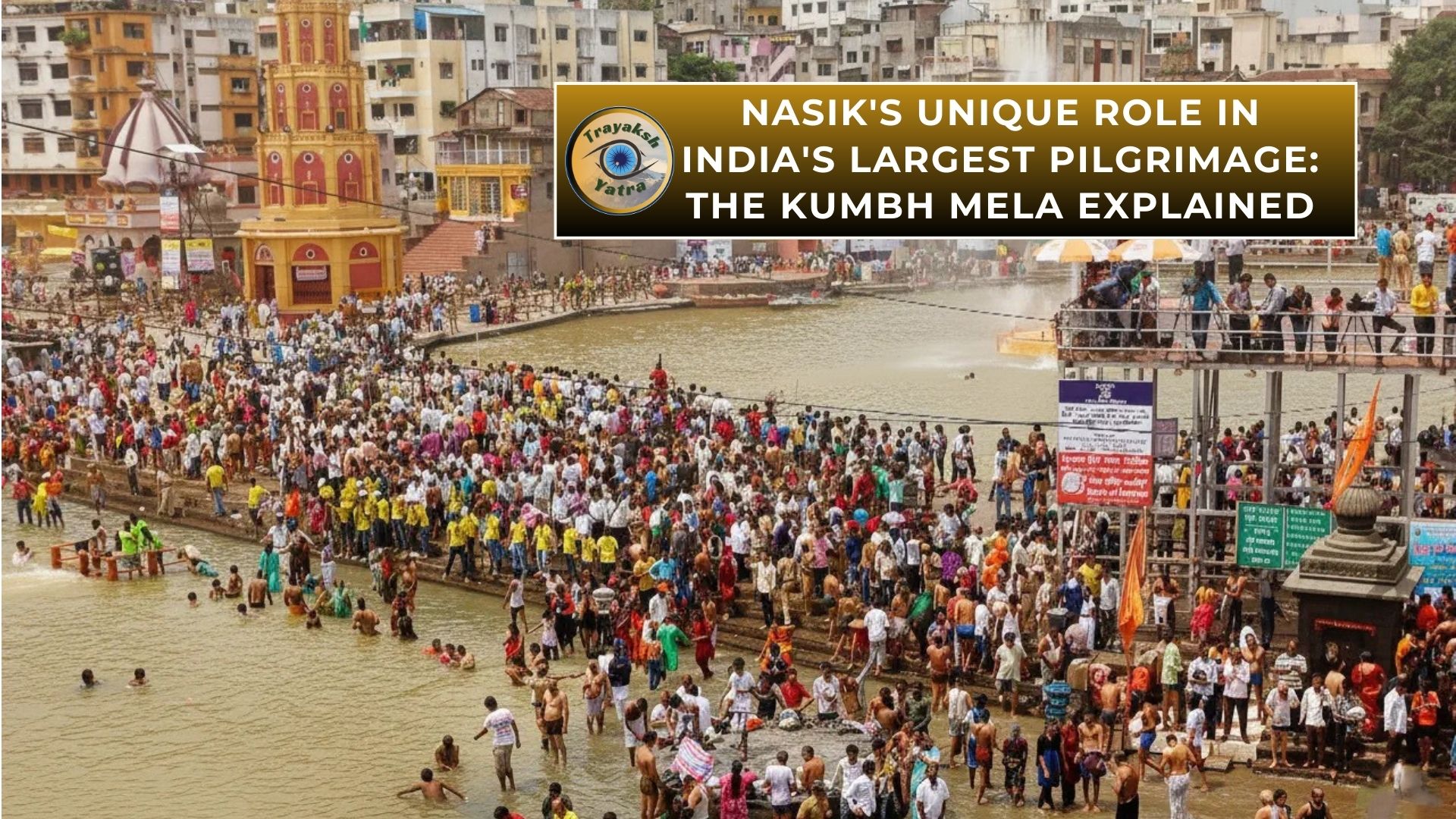
The Kumbh Mela in Nasik witnesses thousands participating in traditional rituals. At the core of the celebrations is the majestic Shahi Snan, where saints and devotees immerse themselves in the holy Godavari River for a purifying dip.
One other important ritual is the Purna Kumbh ceremony, where people conclude all the rituals associated with the fair. They rejoice by performing prayers to God and offering Him their bhog (food offered to a deity). Performances on cultural acts take place during this festival. Folk dances and songs are performed by local artists.
The atmosphere buzzes with vibrant stalls selling religious artifacts and traditional foods. Each corner tells a story of faith, drawing visitors deeper into India’s rich spiritual tapestry during these momentous days.
Impact of the Kumbh Mela on Nasik’s economy, culture, and infrastructure
Kumbh Mela is a period of great economic activity for Nasik. Small businesses and shops experience huge crowds of people, all passing through Nasik for the festivities. Hotels/restaurants are booked solid. Vendors of religious goods, as well as snack vendors see much business during this auspicious time.
Infrastructure gets a boost too. Roads are broadened and public transport bettered. Sanitation conditions see quantum improvement. Of course these improvements help accommodate the millions that descend on Nasik for Kumbh Mela. But they also serve a longer-term purpose of helping Nasik develop.
Socially, the fair brings people together. Locals come together in order to celebrate guests who arrive from different parts of India as well as international visitors. There is a sense of pride that everyone shares in their culture and handicrafts. These impacts create changes that continue to affect societies even after visitors have left the fair.
Insider tips for attending the Kumbh Mela in Nasik
Planning to attend the Nasik Kumbh Mela in 2027? Here are some insider tips to enhance your experience.
Get there early. Things will be crazy hectic right before the pinnacle days of the festival. Plus, you will want to take in the atmosphere and wander around. Dress conservatively and comfortably. You will be doing a lot of walking. Bring shoes you can hike around in all day. Fabrics that are light and will allow you to stay cool in the sun.
Drink plenty of water. Bring a refillable water bottle with you. Most vendors sell purified water or coconut water. It is very refreshing and safe to drink. Feel free to hop on local transportation (auto-rickshaw) to get around. It’s cheap and you get to experience what normal people do every day in Nasik.
Lastly, embrace spontaneity. Wander through food stalls selling local delicacies—each bite tells a story about this vibrant culture.
Comparison with other Kumbh Mela destinations and what sets Nasik apart
Where Nasik is different from other Kumbh locations like Haridwar, Allahabad (Prayagraj) and Ujjain? Like every other Kumbh destination Nasik also has its holy relevance. Nasik tops the list as one place which is historically and religiously significant.
Situated on the banks of River Godavari, the city provides a scenic locale distinct from other pilgrimage centres. Devotees can immerse themselves in the verdant surroundings and tranquil waters.
In terms of rituals, Nasik showcases exclusive practices such as the elaborate Simhastha Kumbh Mela parades. These vibrant festivities include traditional music and dance unique to Maharashtra culture.
Also, there are typically not as many people in the city as there are at other sites you may visit. So when you pray or participate in certain ceremonies you can feel closer. This can allow you to become more spiritual than you can at busier locations.
Conclusion: Why experiencing the Kumbh
Going to Kumbh Mela at Nasik was life changing. You walk among the crowd and truly feel absorbed in the culture of India. There is a sense of spirituality and piety that you cannot experience anywhere else. You watch rituals that have been passed down for centuries.
The significance of this pilgrimage cannot be overstated; it’s a confluence of faith, tradition, and human connection. Visitors can engage in various spiritual activities while enjoying the rich heritage of Nasik’s local culture.
For many, participating in the Kumbh Mela is not just about witnessing grand ceremonies but also about personal transformation. It’s a time for reflection and renewal amidst millions who share similar aspirations for peace and enlightenment.
Nestled along the banks of sacred rivers, Nasik serves as a perfect backdrop for such profound experiences. Whether it’s taking part in holy dips or attending discourses by revered saints, there’s something deeply enriching at every corner.
As preparations ramp up for the next event in 2027, now is the moment to start planning your own pilgrimage to discover what makes Nasik truly special during this auspicious festival. Embrace this chance to delve into its spirit—it’s an experience you won’t want to miss!