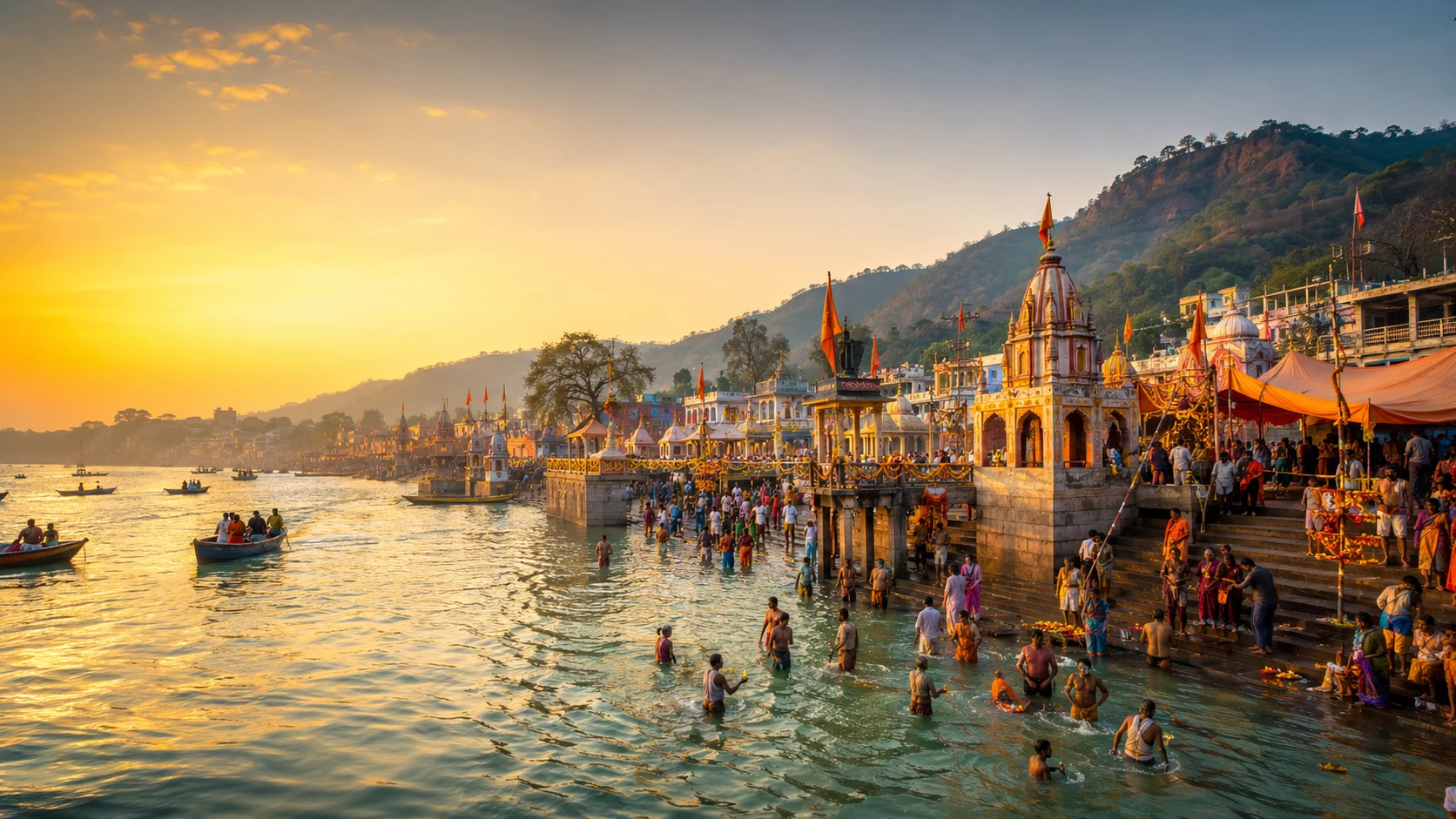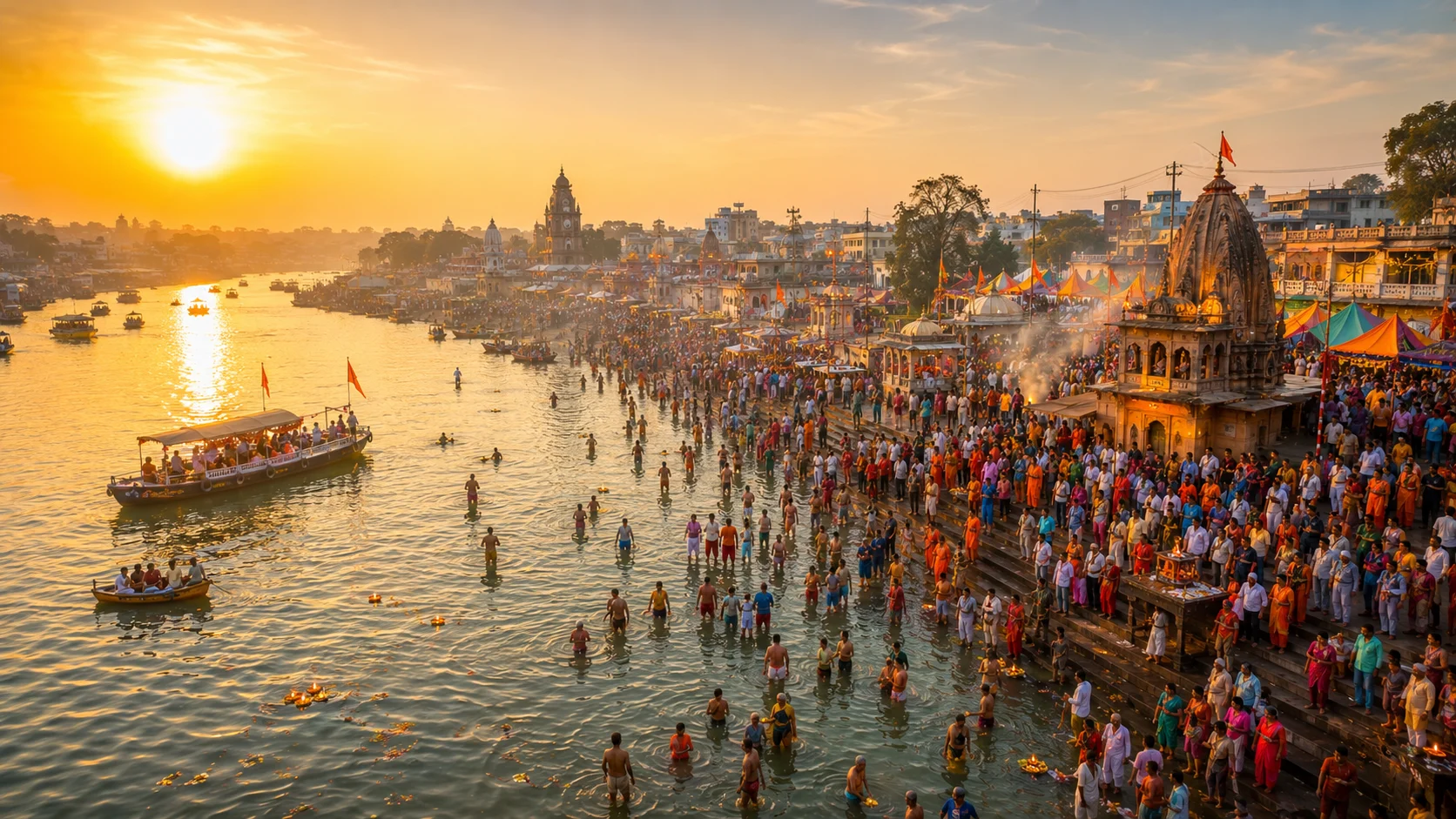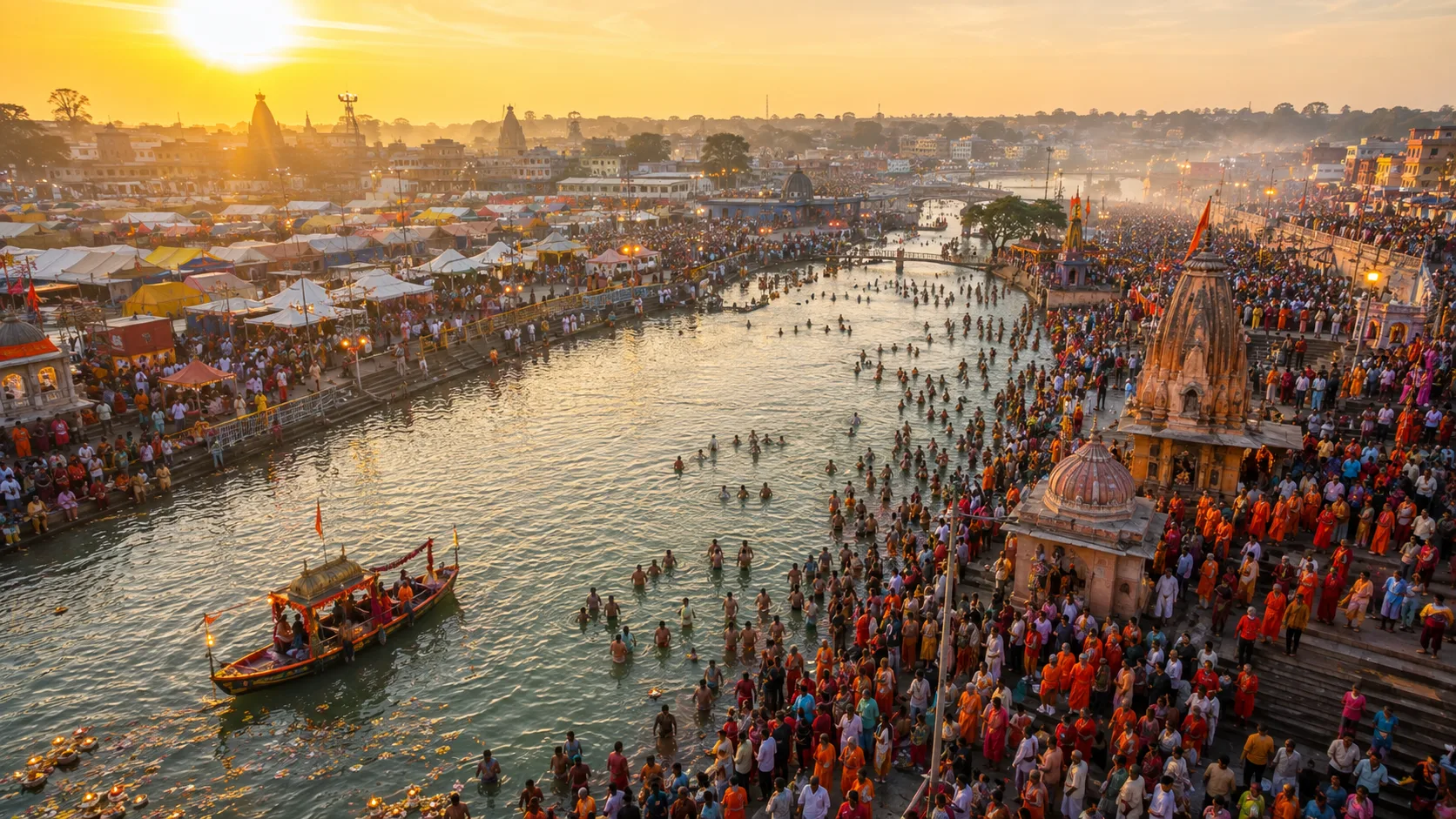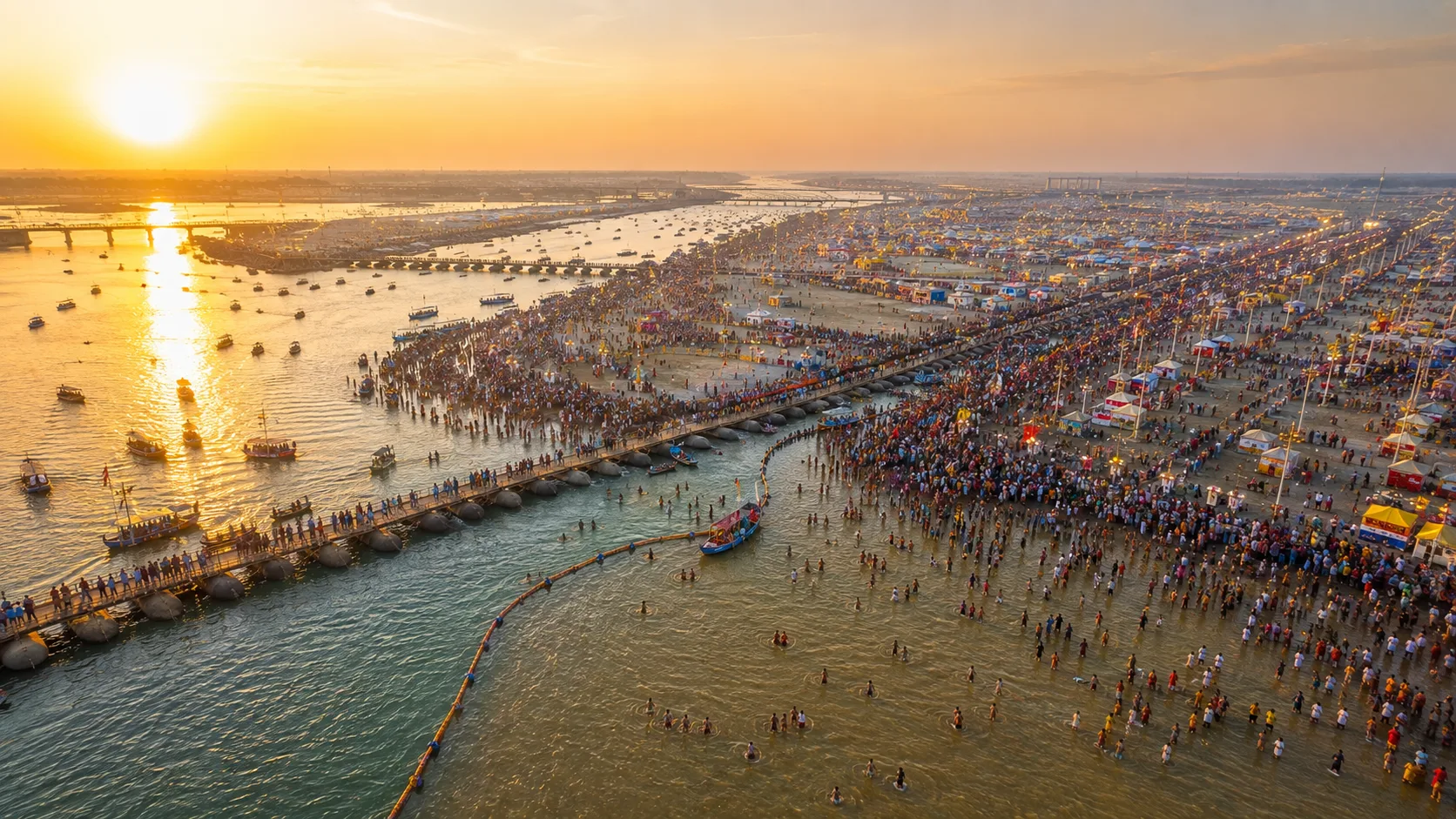
Welcome to the Kumbh Mela, one of the world’s largest religious gatherings that transcends time and space! Every twelve years, millions of devotees converge at sacred rivers to purify their souls, seek blessings, and partake in a celebration that is as much about community as it is about devotion. But did you know that there’s more than meets the eye when it comes to this grand festival? In this blog post, we will delve into the various types of Kumbh Melas celebrated across India each unique in its significance and rituals. From ancient traditions to contemporary practices, join us on a journey through these spiritual spectacles that unite millions under one sky! Ready to immerse yourself in this divine experience? Let’s get started!
Introduction to Kumbh Melas in Hinduism
Kumbh Mela ranks amongst Hinduism’s most incredible experiences. Every year millions of Hindu pilgrims descend upon sacred riverbanks in India to bathe in a ritual cleansing of the soul. The spectacle of human spirituality on such a large scale is beyond description.
Did you know there are four types of Kumbh Melas? Each variety has different importance, occurs at different times, and follows different procedures. If you’re already a fan of the auspicious festivals or are just hearing about them now, read on. We’re breaking down each Kumbh Mela so you can fully appreciate this glorious spiritual and cultural phenomenon unfolding before us!
The Mythological Origin: Samudra Manthan
Ancient mythology surrounds the beginnings of the Kumbh Mela festival. Legend has it that during a struggle between gods and demons for the divine substance amrit, which conferred immortality upon whoever drank it, both sides tried to obtain the amrit that was eventually produced when the ocean was churned, known as the “Samudra Manthan”.
When the Amrit appeared, a struggle broke out between the Devas and Asuras. To protect the nectar, Lord Vishnu took the form of Mohini and carried away the pot. As they churned, four drops of Amrit fell at different locations: Haridwar, Prayagraj, Nashik, and Ujjain. These sacred sites became pilgrimage destinations where devotees gather every twelve years for purification and spiritual renewal.
He did so to restore the principles of dharma (righteousness). Gange Ghats portray his epic battle with the adharma (evil). Take a dip at each step as it is believed to cleanse you of your sins.
According to Hindu scriptures, the key points regarding the *Samudra Manthan* (Churning of the Ocean) are as follows.
- The Devas (gods) and Asuras (demons) sought immortality.
- They joined forces to churn the cosmic ocean of milk to obtain Amrit (the nectar of immortality).
- Mount Mandara was used as the churning rod, and the serpent Vasuki served as the rope.
- After intense churning, several divine treasures emerged, including the pot of Amrit.
Thus, myths entwine with spirituality at Kumbh Mela’s roots transforming it into an age-old celebration that resonates deeply within Indian culture.
Historical Development of Kumbh Mela
While the mythological origins date back thousands of years, historical records suggest that large religious gatherings at these sacred riverbanks have taken place for many centuries.
Two turning points in Kumbh Mela’s history are well documented. The first of these took place in 1954. The Government of India officially declared Kumbh Mela to be a national pilgrimage. People from all over the world flocked to attend following this declaration.
In 1989 questions arose on crowd safety after stampedes caused by overcrowding reports. This disaster forced the organizers to take crowd control measures into effect. Crowd safety began being addressed more seriously for subsequent festivals. In 2001, when Kumbh Mela was hosted in Haridwar over 70 million pilgrims visited, setting a record for attendance.
While the mythological origins date back thousands of years, historical records suggest that large religious gatherings at these sacred riverbanks have taken place for many centuries.
Ancient References
- References to sacred bathing festivals appear in ancient Hindu texts such as:
- Rigveda
- Mahabharata
- Puranas
Chinese Traveler Xuanzang’s Account
In the 7th century CE, the Chinese Buddhist traveler Xuanzang described a massive religious gathering organized by King Harshavardhana at Prayag (modern Prayagraj), providing one of the earliest historical accounts of a large pilgrimage assembly resembling today’s Kumbh Mela.
How Many Types of Kumbh Melas Are There in Hinduism?
A Complete Guide to Kumbh, Ardh Kumbh, Purna Kumbh & Maha Kumbh
The Kumbh Mela is the largest religious gathering in the world, deeply rooted in Hindu faith and tradition. Millions of devotees come together to take a holy dip in sacred rivers, seeking spiritual purification and liberation (moksha).
But did you know that there are different types of Kumbh Melas celebrated in Hinduism?
There are four main types of Kumbh Melas:
- Purna Kumbh Mela
- Ardh Kumbh Mela
- Maha Kumbh Mela
- Magh Kumbh Mela (Mini Kumbh)
Each has its own significance, timing, and scale.
Purna Kumbh Mela – Every Kumbh Mela has specific attributes that differentiate them from one another. Held every 12 years, the Maha Kumbh Mela is the largest of the Kumbh Melas and hosts millions of visitors. There are four locations where the Maha Kumbh Mela’ is hosted. These places are Prayagraj, Haridwar, Ujjain and Nashik.
Ardh Kumbh Mela – Ardh Kumbh Mela, translating to “Half Kumbh Festival,” is a significant event in Hinduism. It occurs every six years at four sacred locations: Haridwar, Allahabad (Prayagraj). This festival attracts millions of devotees who come seeking spiritual purification. Pilgrims believe that bathing in the holy rivers during Ardh Kumbh washes away sins and brings blessings from the divine.
Maha Kumbh Mela – The Mahakumbh Mela is one of the most sacred and largest religious gatherings in the world. Held every 144 years, this grand event attracts millions of devotees from across the globe. The word “Maha” means great and “Kumbh” means pot or pitcher. The name comes from the legendary Kumbh (pot) of Amrit, the nectar of immortality. Mahakumbh Mela is regarded as the rarest and most auspicious form of the Kumbh festival. Traditionally, it is associated with a special astronomical cycle and is observed at Prayagraj, where the Ganga, Yamuna, and the mythical Saraswati rivers meet at the Triveni Sangam.
Magh Mela Kumbh – Magh Mela is a lesser-known but deeply significant gathering within the spectrum of Kumbh Melas. This festival unfolds during the auspicious month of Magha, typically in every year January and February. Held primarily at the confluence of sacred rivers, especially in Prayagraj, it attracts thousands of devotees seeking spiritual renewal. Pilgrims flock to partake in ritual bathing, believed to cleanse sins and grant blessings.
Why Are There Different Types?
The different types of Kumbh Melas are based on:
- Astrological alignments of planets like Jupiter, Sun, and Moon
- The mythological story of Samudra Manthan
- The rotation of locations where drops of Amrit (nectar of immortality) are believed to have fallen
Difference Between Mahakumbh, Kumbh, Ardh Kumbh and Magh Mela
|
Festival |
Frequency |
Location |
|
Mahakumbh |
Traditionally associated with a 144-year cycle |
Prayagraj |
|
Kumbh Mela (Purna Kumbh) |
Every 12 years |
Prayagraj, Haridwar, Nashik, Ujjain |
|
Ardh Kumbh |
Every 6 years |
Prayagraj and Haridwar |
|
Magh Mela |
Every year |
Prayagraj |
Note: The term “Mahakumbh” has also been used in recent years for major Prayagraj Kumbh events in public communication, so readers may encounter different usages. The traditional understanding links Mahakumbh to a much longer cycle.
Role of Astrology in Kumbh Mela
The dates of Kumbh Mela are determined by specific planetary positions involving:
- Jupiter (Brihaspati)
- Sun (Surya)
- Moon (Chandra)
Ancient Hindu astrologers believed that these celestial alignments recreate the cosmic conditions present during the distribution of Amrit.
UNESCO Recognition
In 2017, Kumbh Mela was inscribed on UNESCO’s list of Intangible Cultural Heritage of Humanity, recognizing its cultural, spiritual, and social significance.
Interesting Facts About Kumbh Mela
- It is the largest peaceful gathering in the world.
- Millions of pilgrims attend each edition.
- Temporary cities are built to accommodate visitors.
- Thousands of saints and spiritual leaders participate.
- The event has been celebrated for centuries.
Spiritual Significance of Mahakumbh Mela
The kumbh Mela is much more than a religious festival—it is a profound spiritual journey that symbolizes faith, purification, self-realization, and the pursuit of moksha (liberation). For millions of devotees, attending the Mahakumbh is an opportunity to strengthen their connection with the divine and experience centuries-old spiritual traditions.
- Holy Bath for Spiritual Purification
- Path Toward Moksha
- A Gathering of Saints and Spiritual Masters
- The Significance of Amrit Snan
- Practicing Charity and Selfless Service
- Meditation, Prayer, and Inner Transformation
- Unity in Diversity
Conclusion
The Kumbh Mela is not just one event but a series of sacred gatherings occurring at different intervals. From the annual Magh Mela to the rare Maha Kumbh, each type holds immense spiritual value. With roots grounded deeply in mythology, the significance of these melas transcends mere religious observance. They embody collective consciousness and cultural heritage, drawing millions from diverse backgrounds who share a common purpose: seeking purification and enlightenment. Participating in a Kumbh Mela is an experience like no other.
Every Kumbh Mela invites individuals on a journey—one that unites them not only with their spiritual past but also with fellow seekers who flock together for this sacred occasion. As people immerse themselves in these profound experiences year after year, it becomes evident why the Kumbh Mela remains such an essential aspect of Hinduism today.
FAQ
1. What is the Kumbh Mela?
2. Which city hosts Kumbh Mela 2027?
3. What is included in a Kumbh package?
4. How early should I book my Kumbh package?
5. Is Kumbh Mela safe for tourists?
6. How much walking is involved at Kumbh Mela?
7. How do I book a trip with Trayaksh Yatra?
8. Is food free at Mela?