
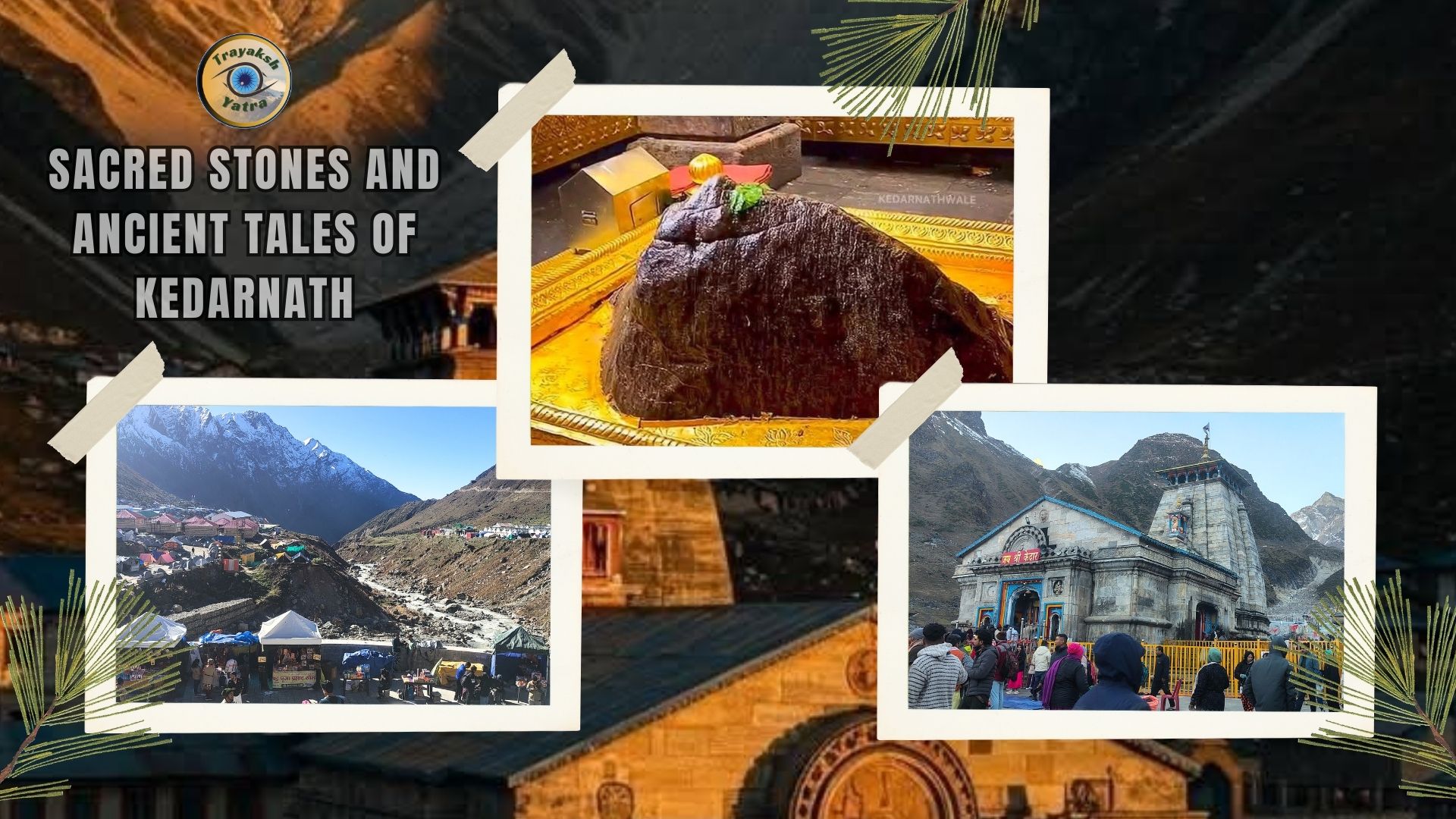
Welcome to the Himalayas, where the Kedarnath Dham is the proof of spirituality and ancient history. Kedarnath is more than a place contained in the grandness of the high peaks and the cracking valleys; This experience transcends time. With his calm environment and divine power, this holy residence attracted the pilgrims for 100 years. As you are ready to travel to the heart of the Bhakti-narrative of Kedarnath, then you introduce the interesting world to you waiting for you. We include when we in our chapter in search of the beautiful attraction of Kedarnath Dham in the chapter on ‘holy stones and ancient stories’. Here, we will go to the giant and narratives around this revered shrine, such as part of the Chardham Yatra, explaining stories while explaining the test of time. Find this magnificent temple in the number of natures, for they continue to motivate the seekers in their spiritual investigations!
Introduction to Kedarnath Dham and Chardham Yatra
Kedarnath Dham is a sacred temple in the Garhwal Himalayas. It is in the most sacred shrines in India. The temple is part of the largest group of temples known as Chardham Yatra, the aggregate of the four pilgrimage sites that every year attracts thousands of pilgrimage pilgrims around Kedarnath and facilitates its contact with the place of contact with a bird.
You may be attracted by faith or curiosity, Kedarnath only proposes more than visibility; This invites you to go to his legends and rituals. From stories of the divine dance of Lord Shiva to the epic saga involving the Pandavas, each stone here echoes with long-lost whispers. Let us join us in this exploration as we specially under the tapestry of the Chardham travel history of Kedarnath Dham.
The Legend of Kedarnath Dham: Story of Lord Shiva and the Pandavas
The attractive narrative of Kedarnath Dham is the integral part of this spiritual attraction. The basic story is revolving around Lord Shiva and the Pandavas who went to him after the battle of the Mahabharata.
The Pandavas was tired and encouraged by the crimes of warfare, asking for refuge and decay. They aspired to Shiva, the great destroyer and the benefactor.
After disguising himself, Shiva used to transform them into the form of a bull. As he disappeared in the city of Kedarnath, then five holy peaks arose in his vigil: Yudhisthira, Bhim, Arjun, Nakul and Sahadev.
When Lord Shiva increased the size of his bull, the parts of the body of the bull were seen in Uttarakhand at 5 places in the northern part. which is called Panch Kedar Yatra. whose first Kedar is Kedarnath, whose name is also called Jyotirlinga in 11. The second Kedar is called Madhmaheshwar, the third is called Tunganath, the fourth is Kedar Rudranath, and the fifth is Kedar, Kalpeshwar is all in the Uttarakhand Valley.
This divine chapter has given up the importance of the importance of Kedarnath Dham in Hindu spirituality. The pilgrims come here not only for worship but to embrace this mythological story in ancient times and in celestial beings.
Importance of Kedarnath Dham in Hindu Mythology
Kedarnath Dham is known in the context of Hindu mythology. One of the twelve Jyotirlingas. This temple symbolizes the bond of God with his devotees.
According to the legend, it is believed that the great Lord Shiva appeared at this place to the Pandavas, who had undertaken a long journey to follow the Kurukshetra war. The story revolves around rescue.
The temples often wear a special place of worship, but they go beyond that. There is also a place for spiritual awakening and self-discovery. People not only go to Kedarnath for blessings but also attain peace and peace between nature and the beauty of nature.
Besides that, Kedarnath symbolizes an unsteady confidence. It shows that this holy place attracts people from all the corners of the world even in the presence of natural disasters. The narratives associated with Kedarnath and mythologists inspire the hopes and patience of the devotees every year.
Historical Significance of Kedarnath Dham in Chardham Yatra
Kedarnath Dham is considered to be one of the holiest destinations on the Chardham Yatra. The Kedarnath Dham temple was built at the foothills of the Himalayas, offering the best sightseeing opportunities to those who visit this shrine. The Kedarnath Dham is estimated to be over 1000 years old, and is one of the oldest shrines in India. It holds great historical significance in Hinduism and can be read in the Mahabharata.
The pilgrims start a difficult pilgrimage to reach her holy place, which makes the role of Kedarnath to nurture the strong determination. Each stone tells the stories of the worshipers who are searching for the blessing for their family and community for 100 years.
This reverence enhances its status within the Chardham Yatra, making visitors eager to experience both the spirituality and history entwined with the beauty at Kedarnath Dham.
Architecture and Design of the Temple Complex
Kedarnath Dham Architecture – The Kedarnath Dham Temple premises are amazing examples of ancient Indian architecture that has been the test of time. The design of the temple sanctum is a complete mixture of ancient traditions and crafts. There is a calm and calm atmosphere of the temple blossoms, which is surrounded by high mountains and shields. The architecture of Kedarnath Dham is a mixture of ancient Indian style and complex crafts. The main shrine is built with large gray stones, where the various gods and shapes are scattered. The company of temples is constructed in such a way that the natural light gives permission to the air flow. The walls of the temple sanctum are decorated with beautiful and statues which are painted with various mythological stories and scenes.
The design is heavily influenced by North Indian style temple architecture. The roof structure is a pyramidal form ending with a conventional shikhara. Visitors are often left in awe by how well the design complements its natural setting.
Everything in the temple has a purpose, leading the devotee along the spiritual path towards their ultimate goal. As one nears the sanctum sanctorum, an overpowering sense of awe can be felt – a bridge between heaven and earth, contained within this architectural marvel.
Changes and Restorations throughout the Centuries
Kedarnath Dham is a silent witness to the vagaries of time. The temple complex has seen centuries pass by. The 8th-century architecture is a melting pot of styles that have evolved over generations.
Natural calamities and human neglect have required several renovations. Each restoration sought to maintain its divine aura. Intricate carvings and stonework narrate tales of artisans who served with devotion.
Kedarnath was badly affected by the floods in 2013. The whole environment around Kedarnath is still a reminder of the 2013 deluge. The temple and the infrastructure were restored with every effort. The people there are ready to do anything to serve both the Kedarnath pilgrims as well as locals.
The Kedarnath temple structure as it stands today is the same but it now also has the modern amenities to suit the needs of the Kedarnath Dham Yatra. Each stone in the temple walls has a story to tell, right from ancient times to modern day life at Kedarnath, this sacred pilgrimage.
Spiritual Practices and Rituals at Kedarnath Dham
Kedarnath Dham is the residence of many rituals and spiritual practices. Devotees usually take part in the rituals such as darshan and give prayers to the gods. There is a magnificent ceremony in the morning which starts at the beginning of the day. The priests sing the hymn and play the bells in the honor of Shiva.
The visitors also offer individual prayers and proposals at the pilgrimage. The publication of the day is a normal spiritual practice or to pay flowers in a holy place. This work of devotion appears to be directly related to their deity.
There is also an ancient practice of performing worship. The chanting of the mantras is part of the worship while offering the objects such as the bel leaves. Rituals are beaten in the tradition, and they live peaceful and prosperous life.
The devotees circumambulate the temple of temples as the act of devotion. This journey is the only way to surrender to the deepest meanings of life among the mountain’s scenes.
Impact of Natural Disasters on Kedarnath Dham
Kedarnath located in the Himalayas is also affected by many natural disasters. In the most severe and severe floods of Kedarnath, famous for its natural beauty, these waters suffered a lot.
The grandeur of the temple was unprecedented. This caused a massive landslide that covered part of the temple complex and other areas. Many people gave up their lives. Infrastructure also suffered extensive damage.
This tragedy had a major impact on pilgrimage management and the introduction of safety measures on pilgrimage routes. Renovation of the Kedarnath temple began immediately after the disaster to bring back much of what was lost without losing its sanctity.
Today Kedarnath is firmly established in the face of all these obstacles. Devotees are in the best place to attain spiritual level with Kedarnath. People who visit the temple feel more than just prayer; they are witnesses of life. A new kind of feeling overcomes him in this temple of bravery and faith. The temple has not given up its spirit and welcomes thousands of pilgrims every year who want to plunge into the Cirence, its age-old rocks and rich history.
Modern Day Pilgrimage to Kedarnath Dham: Experiences and Testimonials
Today is the experience of life in the view of Kedarnath Dham. It is a mixture of spirituality and adventure. The pilgrims of various surfaces of the pilgrims make this holy pilgrimage, often the stories of the changes of life.
A common theme is that there is a serene beauty all around them as they roam the rough lands, and there are heights everywhere. The air seems filled with devotion, and each of them seems to have a sense of purpose in every step.
Many travellers praise the hospitality of other pilgrims. Stories are shared, and bonds are formed at the temple gates between people with similar hopes and prayers. Accounts of pilgrims finding comfort after personal tragedies on their trip to Kedarnath are a common theme. Some focus on their wonder at seeing the richly carved architecture for the first time; a beauty that can move you to tears and stay with you forever.
Others say every second spent in Kedarnath helps you to meditate and tune into powerful energies. Social media and online communities are also creating virtual connections as the Kedarnath Dham Yatra becomes a more tech-savvy experience. Discussion forums and travel blogs abound with people sharing their kedarnath dham yatra stories and tips.
Conclusion: The Enduring Legacy of Kedarnath
Kedarnath is very pervasive in the treasury of Hindu spirituality and culture. In the Chardham yatra, he draws the coins and the enlightenment as the main destination, and attracts the millions of millions of millions of rupees. Through his holy stones, the stories which are echoed not only the divine associations but also the strength of humanity.
The architecture of Kedarnath is noteworthy and rich and speaks volumes of yore. The presence of one from the past reminds of the influence of the era and the impact of the structure. Even after the natural disciplines of the age-appropriate pilgrimage, even after the destruction of the heroes, the example of the hero in the city of Kedarnath, there is the same wonder in the hearts of thousands of intense hearts.
Priests conduct spiritual rituals that hark back to the olden times, providing devotees with a deeply personal experience. Travellers provide testimonials of transformation, recounting their time in Kedarnath Dham yatra as a blend of self-reflection and awe-inspiring beauty.
It remains alive even today, and carries forward its glorious legacy to the present and for times to come. As I visit this holy place again and again, it is a place not just a destination to a pilgrimage but a stay in the journey of life of an immortal chapter in the novel of a lifetime.