The Himalayas are blanketed by snow in the winter and so one of India’s most sacred pilgrimage routes, the Char Dham, is shrouded in a hushed silence during this time of the year. It is very tempting to be away from the snowy chill and low temperatures during the winter months but this is exactly when thousands of pilgrims visit the Char Dham destinations in the Himalayas. A time when the greenery of the valleys changes to snowy white, it is a delight to visit the Char Dham as the Himalayan scenery is so beautiful in the winters. Join us as we explore how winter’s chill does not deter but rather amplifies devotion, drawing seekers from all walks of life seeking solace, spiritual renewal, and an unforgettable darshan amid nature’s wintry splendour. Prepare to be inspired by tales of resilience and faith that warm even the coldest days!
Introduction to the Char Dham and its significance in Hinduism
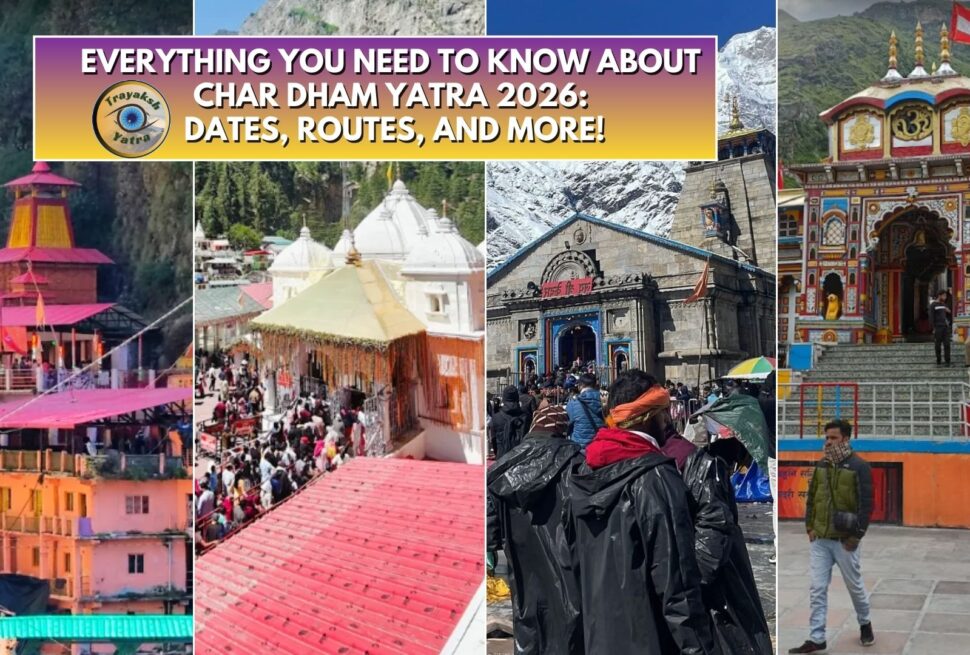
Char Dham Temple is very sacred place in Hindu religion and culture. Char Dham Temple is a collection of 4 pilgrim places which comprises of Yamunotri Dham, Gangotri Dham, Kedarnath Dham and Badrinath Dham. Each one of these Dham are the spiritual place abounding with vibrations and spiritual energy to entice the pilgrims. People generally visit Char Dham during the summers but the winters too have their own importance in the holy places of Gods.
Snowfall on the peaks and chilly winds in the valleys make the Char Dham tranquil. The scenic beauty enchants the travellers and amplifies their piety, even in the trying weather. For the intrepid, this winter pilgrimage offers the rare experiences of stories to tell, and faith to remain steadfast against the frost.
Join us as we explore how winter darshan at the Char Dham continues to inspire unwavering devotion even when temperatures plummet and paths become treacherous. Discover what makes this time of year so special for pilgrims dedicated to their spiritual journey.
The traditional pilgrimage season and closure of the temples during winter
The Char Dham pilgrimage holds a sacred significance in Hinduism, especially during the warmer months. From April to November, thousands of devotees embark on this spiritual journey, seeking blessings at Yamunotri Dham, Gangotri Dham, Kedarnath Dham, and Badrinath Dham.
Temples close their doors to the faithful as the winter season comes. This is not just a seasonal event, but a tradition passed on for years. The gods are brought to their winter dwellings. Beautiful places where they stay until the return of spring.
In this time of rest and inaction the Himalayan hills, decked in snow, spread around you a great silent sea. The mountains return to a deep stillness in the lap of nature. But in the hearts of Indian worshippers even at this season of silence the flame of devotion is not quenched.
Many believe that visiting these sites off-season enhances spiritual connection. It allows for solitude and introspection away from bustling crowds that flood during peak season.
These temples can be visited for Chardham Yatra after winter is over.
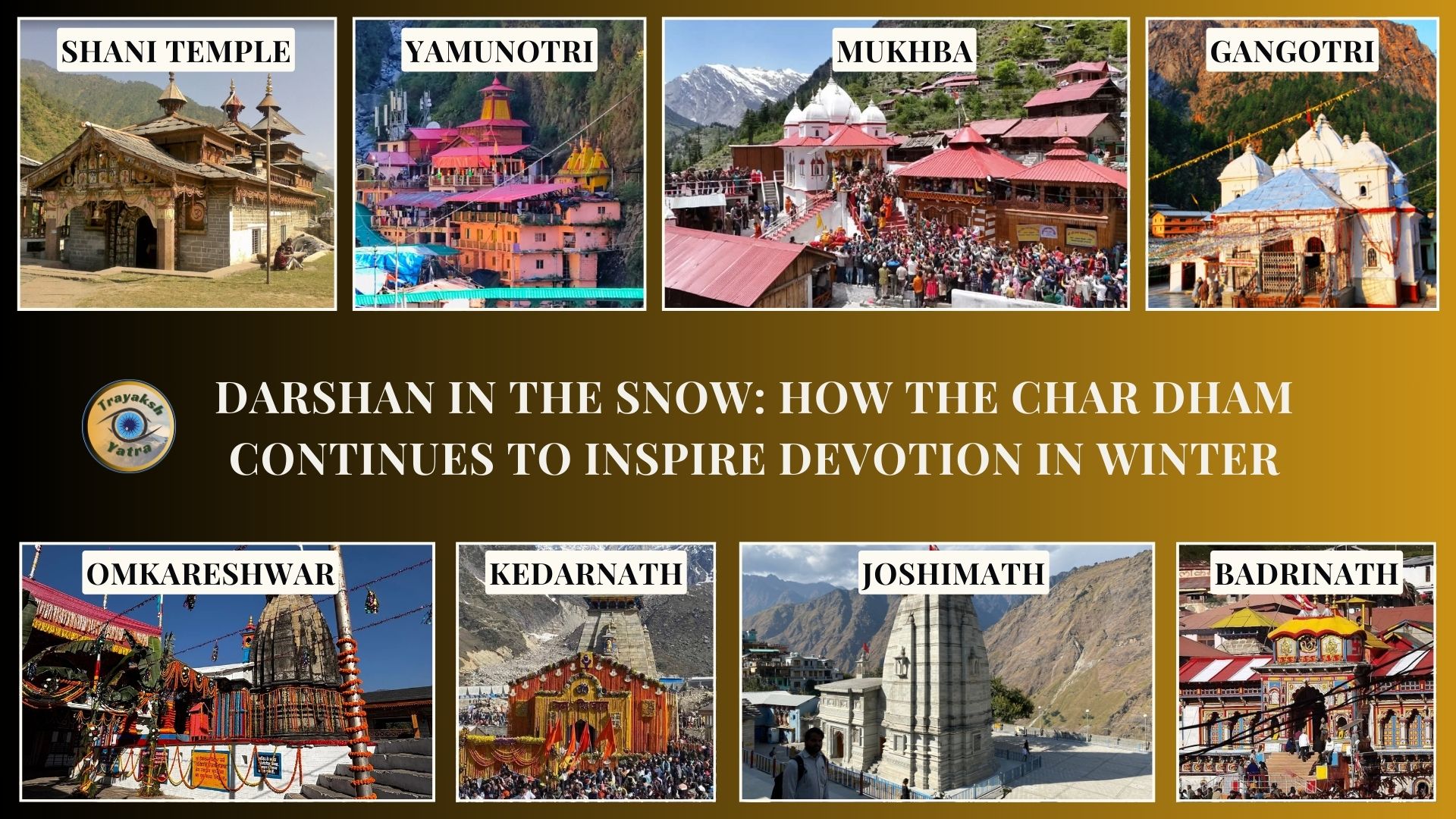
- Yamunotri Dham (Kharsali) – Yamunotri Dham darshan takes place in Kharsali village in winter, as the main Yamunotri temple is closed due to heavy snowfall and the idol of Goddess Yamuna is shifted to Shanidev temple of Kharsali, her winter residence.
- Gangotri Dham (Mukhba) – Gangotri darshan in winters does not take place directly at the Gangotri temple as the temple is closed due to heavy snowfall, instead, the idol of Goddess Ganga is shifted to Mukhwa village, her winter sojourn. Where devotees can have darshan and worship, this place is in the Harsil valley, about 25 km before Gangotri.
- Kedarnath Dham (Omkareshwar Temple, Ukhimath) – During winter season (November to April), Kedarnath darshan is done at Shri Omkareshwar Temple located in Ukhimath, as the main Kedarnath temple remains closed due to heavy snowfall. And the movable idol (deity) of Lord Kedarnath is brought here, where devotees can have darshan and worship is done.
- Badrinath Dham (Narsingh Temple, Joshimath) – During winter season (November to April) the doors of Badrinath temple remain closed, but Lord Badrinath can be seen at Narasimha temple of Joshimath. Where his idol has been shifted for the winter and regular worship continues there. This place is the winter destination of Badrinath Dham. And it is known as a part of Char Dham Yatra, where devotees can participate in the winter Char Dham Yatra.
The history and significance of winter abodes for the Char Dham deities
Char Dham is the pilgrimage of Millions of Hindus. Every God has its own temple and the worship is done when they come from their summer homes and come to their winter homes. Yamunotri Dham and Gangotri Dham are closed during winters. The Idol is then shifted to a warmer place and it is worshipped there until spring comes back.
This tradition has deep roots in history. It symbolizes the adaptability of faith amidst nature’s challenges. The rituals surrounding this seasonal transition showcase community spirit and reverence for divine protection.
Winter homes provide a place where the pilgrims can worship. The pilgrims feel that their grace increases and the benefit of visiting them during the winter season is greater than the physical suffering. In the end, it is an acceptance of life with all of its ups and downs, of summer and winter, and being focused and determined in worship.
The unique experiences and challenges of visiting the Char Dham in winter
Winter is an ideal season to visit Char Dham. As you will get to witness the whole place covered in snow and ice. The temples look so peaceful and calming as the snow envelopes them completely.
However, it is not without its problems. Road access can be difficult, particularly during heavy snow. It is necessary to brave freezing conditions and risk altitude sickness to journey along the steep slopes.
For all these inconveniences, they still provide comfort to the faithful. It is also conducive to self-reflection and allows one to pray undisturbed away from the swarms of humanity. Darshan in winter is thus not only a pilgrimage but a search for spirituality.
There are many travelogues in which people have written about the sense of brotherhood and friendship they found among other fellow travellers when they were weathering storms together. These pilgrimages provide life experiences beyond borders and a journey to one’s soul that can make one’s faith in God much deeper in this incredible journey to Yamunotri Dham, Gangotri Dham, Kedarnath Dham, and Badrinath Dham.
Stories and legends surrounding winter darshan at the Char Dham
Winter in Char Dham is associated with numerous folktales and mysticism. A popular story is how Lord Shiva in Kedarnath Dham showers his grace upon his devotees during the time when snow covers the mountains. It is also believed that during a heavy snowfall, Shiva appears in the form of a guiding light for lost pilgrims to guide them.
Another enchanting story revolves around Yamunotri Dham. Locals narrate how Goddess Yamuna herself descends to Earth to make her presence known through the gentle sound of flowing water beneath layers of ice. Devotees often feel her warmth despite the chill in the air.
It is a popular belief that Ganga protects her devotees from the freezing cold of Gangotri Dham during winters. Pilgrims have also shared accounts of miraculous events where, in the midst of a violent storm, they found warmth and enlightenment through prayer and a plea for direction.
Tips for planning a winter pilgrimage to the Char Dham
Plan well in advance. Check weather conditions. They can be unpredictable and change at times. Select dates for your travel after considering the weather. Try and book for early winters. The footfall is lesser then as compared to peak season. You can enjoy the peace and calm along with your prayers.
Get good equipment; warm clothes and solid boots are a must. Layers are good to adjust as temperatures vary during the day. Renting equipment from a local guide can be a good idea as they will know the conditions during winter.
Connect with online forums or social media groups dedicated to Char Dham yatra trips in winter. They can be a great source of tips and suggestions that may simplify your journey. And finally, be flexible in your plans. The mountains have a way of showing you their own beauty in unexpected ways that will enhance your spiritual journey at every turn.
How devotion continues even in the harsh winter conditions
Devotees head to the Char Dham when winter is at its worst. Yamunotri Dham and Gangotri Dham are covered in snow during this time. Visitors visit these holy sites to pray during the winter. Their steps in the snow show their devotion.
The serene landscapes transform into a divine canvas, drawing devotees who find solace amidst solitude. Many believe that facing these challenges strengthens their spiritual connection.
Local communities are important as well. They make sure that the trails are open for a person on a sacred journey. The comfort of hospitality sharply contrasts with winter’s cold and reminds guests that they are never alone on their quest.
Inside the temple, the lamps glow on the awe-struck faces. With each prayer uttered, the place resonates with piety that is otherwise felt only during this season. Many take the hardships of braving the cold gusts as they pray in front of the idols as a mark of determination and fervour that is beyond material comforts.
The spiritual benefits of a winter pilgrimage to the Char Dham
Embarking on a winter pilgrimage to the Char Dham is an experience that transcends the ordinary. The serene landscapes, blanketed in snow, create a mystical atmosphere for seekers of spiritual solace.
Cold weather intensifies spirituality and helps devotees to concentrate on God. The aching pilgrimage in snow also allows them to chant naam deep within their heart as each step brings them closer to almighty energies at Yamunotri Dham and Gangotri Dham. Winter is also more peaceful. With fewer crowds at Kedarnath Dham and Badrinath Dham, devotees find it more conducive to introspection and private prayer.
This solitude fosters introspection and clarity of thought, often leading to profound revelations about life’s purpose or spiritual path. The rituals performed during this time hold unique significance as they resonate with nature’s raw beauty a reminder of life’s cycles and renewal through devotion.
Conclusion: The enduring power of faith and devotion at the Char Dham during all seasons.
Char Dham is the journey of faith that can’t be subdued by any season. Year after year, thousands travel to these holy shrines in freezing cold. Winter is not a struggle for many of them but an opportunity, a chance to strengthen their devotion.
When the snow covers the Yamunotri Dham, Gangotri Dham, Kedarnath Dham and Badrinath Dham then one feels a feeling of rest and calmness in the spiritual places covered with snow.
Darshan technology is still growing and helping people from other places in need, during bad weather or other reasons unable or unwilling to make a long or otherwise difficult journey. Virtual darshan now make possible darshan of deities to those all over the world from the comfort and convenience of their own homes, and still at the same time maintain the traditional darshan experience.
Winter pilgrimage packages have never been easier for thrill-seeking pilgrims who demand both aesthetics and devotion. The struggles are sometimes hard: extreme cold, snowstorms and difficult mountains all challenge your spirit. But the effort makes the accomplishment all the greater when you arrive at each shrine.
Pilgrims’ stories about their journey add another layer to this experience. Stories of miraculous meetings with gods under a starlit snowy night, or of small kindnesses on the trail are treasured long after the return home.
Each visit reminds us that faith thrives in any season—not merely through physical presence but also through intention and belief. It is this unwavering commitment that makes every journey worthwhile regardless of weather conditions faced along the way.
At its core lies a vibrant community united by shared experiencesthe timeless bond between human souls drawn toward divinity remains unbroken by seasonal shifts or natural barriers alike. A pilgrimage to Char Dham embodies resilience rooted in devotion; it’s proof that true believers will always find their path back home—no matter how deep the snow may fall.